
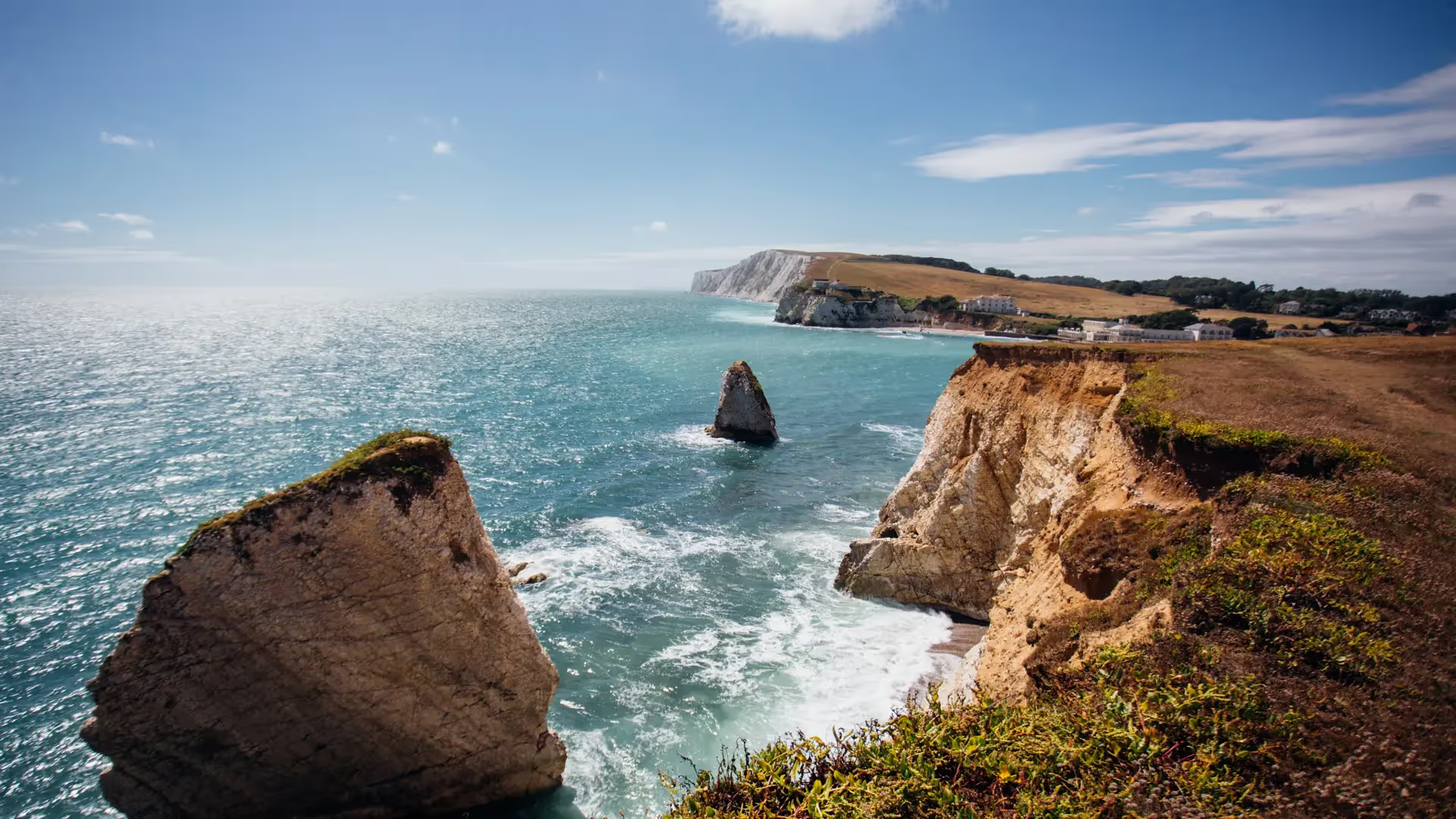
In 2019, the Isle of Wight was designated a UNESCO Biosphere Reserve, recognising its global importance as a place where people, nature, and economic activity coexist in balance. The designation covers the entire Island, including its 380km² landmass, inshore waters, and surrounding marine environment. Around three quarters of the Island is specially designated, supporting rewilding areas, wetland nature reserves, seagrass restoration, and the reintroduction of white-tailed sea eagles. The Island is home to rare species such as red squirrels and the Glanville fritillary butterfly, and is internationally recognised for its dinosaur fossil heritage. From the moment visitors cross the Solent, they arrive within the Biosphere itself — entering a landscape shaped by sustainability, local pride, and a deep respect for nature.
